
Diagnosing Car Shaking After Installing New Tires: Tackling Car Vibration Issues Head-On
Getting new tires is exciting. You expect a smooth ride, better grip, and improved safety. But what if your car starts shaking right after the swap? That’s frustrating and downright concerning. I’ve been there, and I know how unsettling it feels when your ride isn’t as smooth as it should be. Let’s dive into why this happens and how to fix it fast.
Understanding Car Vibration Issues After New Tires
When your car vibrates after installing new tires, it’s a clear sign something’s off. It’s not just annoying; it can signal safety risks or damage to your vehicle. The first step is understanding the root causes. Here are the most common culprits:
Unbalanced tires: This is the top reason for shaking. If the tires aren’t balanced correctly, they cause uneven rotation, leading to vibrations.
Improper tire installation: Sometimes, tires aren’t mounted properly on the rims or the lug nuts aren’t tightened evenly.
Wheel alignment problems: New tires can highlight existing alignment issues, causing the car to shake.
Defective tires: Rare, but possible. Manufacturing defects or damage during shipping can cause uneven wear or imbalance.
Suspension or steering issues: Sometimes, the problem isn’t the tires but worn-out suspension parts or steering components.
Knowing these causes helps you pinpoint the problem faster. Don’t ignore the shaking—it’s your car’s way of telling you something needs attention.
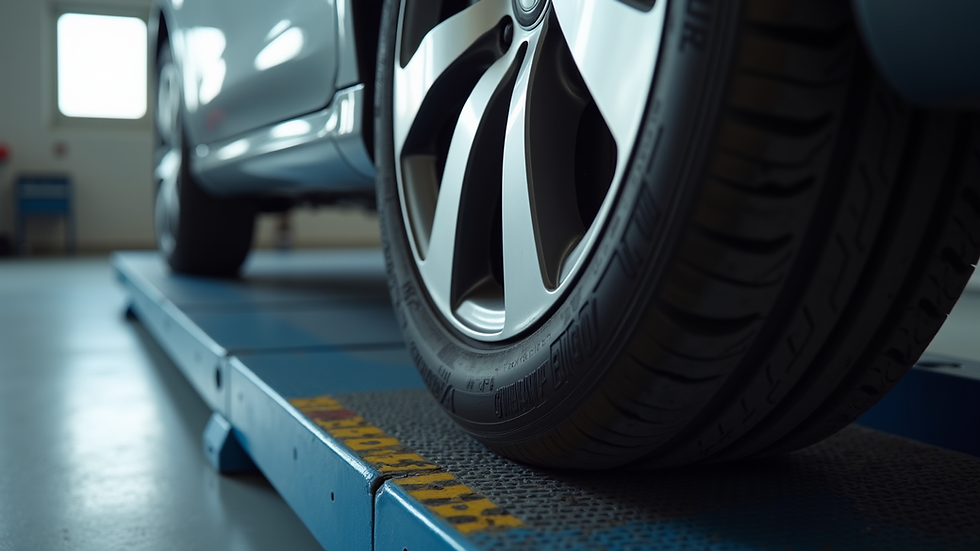
How to Diagnose Car Vibration Issues Quickly
Diagnosing car vibration issues doesn’t require a mechanic’s degree. You can do some simple checks yourself before heading to the shop. Here’s a step-by-step guide:
Check tire balance
If you feel shaking mostly at higher speeds (above 50 mph), unbalanced tires are likely the cause. A quick visit to a tire shop for balancing can fix this.
Inspect tire installation
Look for uneven lug nut tightness or tires that don’t sit flush on the rims. Loose or uneven lug nuts can cause vibrations.
Look for visible tire defects
Check for bulges, bubbles, or uneven tread wear. These signs mean the tire might be defective or damaged.
Test for wheel alignment
If your car pulls to one side or the steering wheel isn’t centered, you might have alignment issues. New tires can make this more noticeable.
Examine suspension and steering parts
Worn ball joints, tie rods, or shocks can cause shaking. If the tires and wheels check out, have a mechanic inspect these components.
If you want to learn more about car shaking after new tires, this resource breaks down the issue in detail.
What is the 3 Tire Rule?
You might have heard about the “3 tire rule” when it comes to replacing tires. It’s a handy guideline to keep your car balanced and safe. Here’s the scoop:
The rule says you should never replace just one tire on a two-axle vehicle.
Ideally, replace tires in pairs (both front or both rear) or all four at once.
If you replace only one or two tires, the difference in tread depth can cause uneven traction and handling issues.
The “3 tire rule” means if you replace three tires, the odd one out should be placed on the front axle for better control.
Following this rule helps prevent vibration and handling problems after new tire installation. It’s a simple way to keep your ride smooth and safe.

Practical Tips to Fix Car Shaking After New Tires
If your car is shaking after new tires, don’t panic. Here’s what you can do to fix it:
Get your tires balanced
This is the easiest and most common fix. Balancing redistributes the tire’s weight evenly around the wheel.
Check and tighten lug nuts
Use a torque wrench to ensure lug nuts are tightened to the manufacturer’s specs.
Have a professional alignment done
Even if your car wasn’t pulling before, new tires can reveal alignment issues. A proper alignment ensures tires wear evenly and the car drives straight.
Inspect tires for defects
If you spot any bulges or uneven tread, ask your tire dealer about a replacement.
Rotate your tires regularly
Rotating tires every 5,000 to 7,000 miles helps maintain even wear and reduces vibration.
Monitor your suspension and steering
If shaking persists after all tire checks, have a mechanic inspect suspension parts.
Taking these steps will get your car back to smooth cruising in no time.
Keeping Your Ride Smooth and Safe in Manteca
Living in Manteca means dealing with a variety of road conditions. From hot summers to occasional rain, your tires take a beating. That’s why it’s crucial to keep them in top shape. If you notice any shaking or vibration after installing new tires, don’t wait. Early diagnosis and repair prevent bigger problems down the road.
Remember, your tires are your car’s only contact with the road. Keeping them balanced, aligned, and in good condition is key to safety and comfort. If you’re unsure about any issue, trust local experts who know Manteca roads and vehicles inside out.
At Manteca Tire & Wheel Outlet, we’re here to help you with honest advice, reliable service, and quality tire care. Your smooth, safe ride is our priority.
Feel free to reach out or stop by if you want a quick check or expert advice on your tires and wheels. Let’s keep your car rolling smoothly and safely!


Comments